

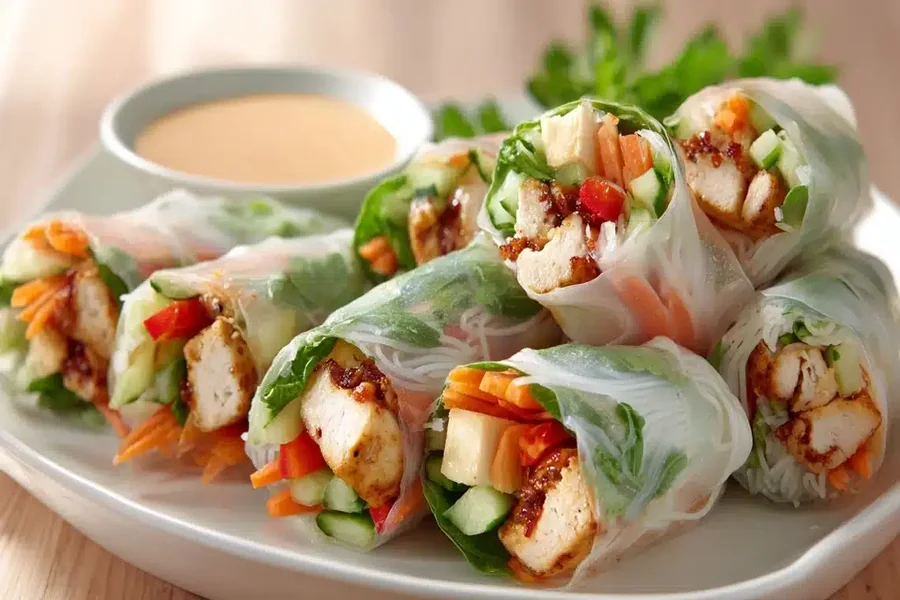
What Is Rice Paper and Why It’s So Popular
Rice paper is a fine, transparent sheet that is usually prepared using rice flour, water and salt. Some of them have tapioca starch to enhance flexibility and texture. It is popular in the Southeast Asian cuisines, particularly in the Vietnamese cuisines such as the fresh spring rolls. It has become popular worldwide over the years due to its portability, versatility and ease of use at home.
A very simple reason why rice paper is special is that it is simple. There is no heavy preparation as it only takes a dip in water to soften and wrap an assortment of fillings. Rice paper can be adapted to your preferences, whether you like vegetables, seafood, or meat. The fact that it is neutral enables the ingredients that are contained within to shine as it is a favorite among home cooks as well as professional chefs.
The other reason why it has been popular is that it suits most dietary preferences. It is naturally gluten-free and in many cases, it is low in calories, which makes it a good choice of people who want to consume lighter meals. The amalgamation of convenience, flexibility and healthiness has contributed to rice paper becoming a staple even beyond its traditional background.
Rice Paper: The Different types of paper you should know
Rice paper is not all created equal. There are minor variations in the different regions and recipes and knowing this may assist you in selecting the most appropriate to suit your needs.
Vietnamese rice paper is the most popular form and is also called bánh trang. These are round sheets that are thin and made in fresh rolls. They easily yield in water and do not easily tear when they are treated well.
Thicker sheets of rice paper are also available, and are commonly used in a frying manner. They are usually firmer in texture and are the best to use in preparing crispy spring rolls. Fried, they form a golden, crispy outer layer that forms a good contrast to the filling.
There is also another variation such as flavored or textured rice paper. They may contain herbs or sesame seeds; this gives them a fine taste and appearance. They are less widespread, yet may be used to add to the presentation and flavor in creative recipes.
Depending on your usage, you need to select the appropriate type. Thin sheets should be used in case of fresh, soft rolls. Slightly thicker versions are better when frying or baking.
Nutritional and Health Values
The rice paper is usually considered as a healthier option as compared to the traditional wraps or pastry sheets. It is generally low fat and has less calories than bread or fried wrappers. This qualifies it as an appropriate alternative to people who desire lighter food but without taste.
As it is mainly prepared using rice, it is a source of carbohydrates, which is a source of energy. But it is not that high in protein or fiber, so it is important to combine it with nutrient-filled fillings. A simple rice paper meal can be a healthy meal by adding vegetables, lean proteins, and healthy fats.
Its other advantage is that rice paper is generally gluten-free and hence can be consumed by gluten intolerable individuals. It can also be easily digested and this contributes to its popularity among those who like lighter food.
Still, moderation matters. Although rice paper itself is not heavy, what is filled into it, as well as the type of sauce, can make a great difference in the nutritional value of your meal.
Cooking with Rice Paper
Working with rice paper is quite an easy task, although there are some tips that can simplify the process. To begin with, you will be ready to pack all your fillings. After softening the sheet, you can now hurry to put your roll together.
Wet the rice paper in some lukewarm water. It must be tender yet not so delicate. Lay it on a flat surface, and then add your ingredients in the center. Roll it as tight as possible by folding the sides and wrapping it like a burrito.
The rice paper is very versatile. You may fill it with fresh spring rolls of vegetables and shrimp or make dessert rolls of fruits and sweet fillings. Others go to an extent of wrapping dumplings in it or taking its place in some dishes instead of noodles.
It can fry or be baked too. Fried, it is crispy and golden, and has a totally different texture than fresh rolls. This aspect renders rice paper a useful component of numerous kitchens.
Simple Rice Paper Recipes to make at home
When you have just started working with rice paper, it is best to work with simple recipes. The most popular ones are fresh spring rolls. Stuff them with lettuce, carrots, cucumbers, and your protein of choice. Otherwise combine them with a peanut or hoisin dipping sauce.
Crispy rice paper rolls is another simple concept. Stuff the minced chicken or vegetables into the thicker sheets, roll it up and fry until golden brown. They are great snacks or appetizers.
To add a sweet touch, have dessert rolls. Serve with fruits such as mango, banana, or strawberries and a layer of coconut or chocolate spread. Cover them with softened rice paper, and serve fresh.
Another experiment to practice is to cut rice paper into strips and use it instead of noodles in a soup or stir-fry. Though not conventional, it will give a touch of creativity to your meals.
Storage and handling tips of Rice Paper
To ensure rice paper remains in good condition, it should be stored properly. It should be kept in a cool dry environment, and not in moisture. When opened, make sure it is stored in an airtight container to avoid brittle nature or taking up of humidity.
In dealing with rice paper, do not leave it to soak very long. Excessive softening may result in it being too soft and hard to handle. It only takes a moment in the water, and then it will become soft.
In case sheets are stuck together, carefully separate them without tearing. It is also possible to roll on a slightly wet surface to avoid sticking during rolling.
It takes some practice, but once perfected, working with rice paper becomes quite easy, and you can roll up some pretty-looking and clean-looking paper every time.
Final Thought
Rice paper is a simple but multi-purpose ingredient, which is able to make simple meals fresh and exciting. It is simple to use, nutritious, and flexible thus befitting novices as well as those who cook frequently. With the knowledge of its forms, applications and simple methods, unleash a plethora of mouth-watering possibilities in your kitchen.
FAQs
What is rice paper made of?
Rice paper is usually made from rice flour, water, and salt, sometimes with added tapioca starch for flexibility.
Is rice paper healthy?
Rice paper is low in fat and calories, but its overall health value depends on the fillings used.
Do you need to cook rice paper before eating?
No, you only need to soak it briefly in water to soften it before use.
Can rice paper be fried?
Yes, certain types of rice paper can be fried to create a crispy texture.
How do you store rice paper?
Store it in a cool, dry place in an airtight container to prevent moisture damage.
Is rice paper gluten-free?
Yes, most rice paper is naturally gluten-free, making it suitable for those with gluten intolerance.
Why does rice paper tear easily?
It can tear if over-soaked or handled too roughly while softening and rolling.
