

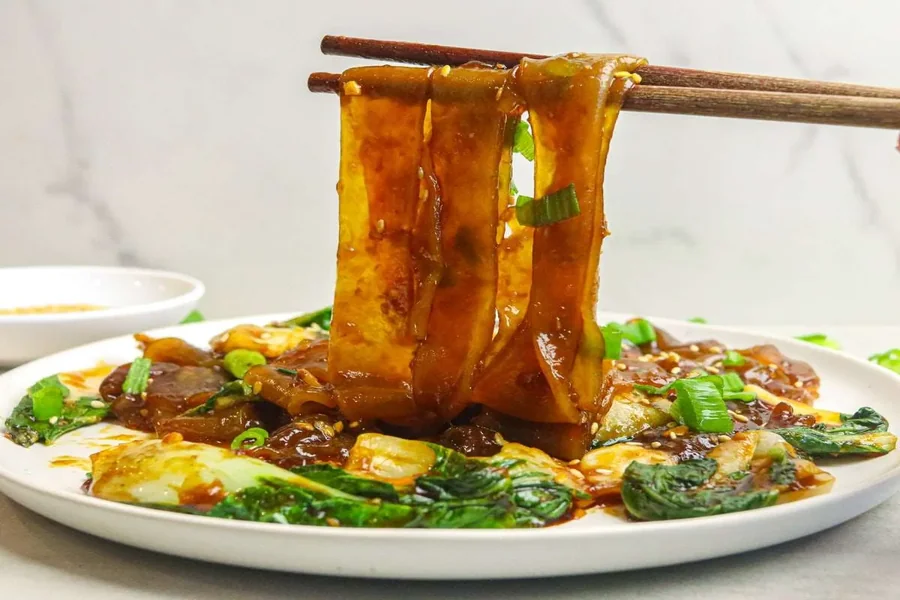
What Are Rice Paper Noodles and How They Work
Rice Paper Noodles are an inventive process of transforming rice paper sheets into noodle-like thin strips which can be employed in numerous food items. Rice Paper Noodles have become popular as they provide a lighter substitute to traditional noodles whilst remaining light and versatile in meals.
They are not pre-shaped as regular noodles are, but by softening the sheets of rice paper and cutting or folding them into strips. When ready, they can be used in soups, stir-fries or cold dishes. They have a slightly chewish and soft texture, reminding rice noodles though with a different touch.
Their ease of preparation is among the greatest benefits. There is no need to cook them as regular noodles do. Spraying them with a little water is sufficient to get them ready to use. This renders them an easy choice as a fast meal at home.
They are also adaptable. They can be either in the traditional Asian foods or in the modern fusion foods, according to your taste and imagination.
Rice Paper Noodles: Preparation
Preparation of rice paper noodles is quite easy and involves few steps. Begin with a sheet of rice paper, and wet it a little in lukewarm water, so that it becomes soft and pliant.
When softened, put it on a flat surface. The sheet may be folded a few times and then sliced into small strips with a knife or a scissor. These pieces are going to be your noodles.
The other approach is to cut numerous softened sheets overlapping. This makes noodles a little bit heavier and the texture more gratifying. Thickness is adjustable as per your choice.
When cutting, cut the strips softly so that they do not stick together. Now they are prepared to be added to your plate. You can consume them right away or preserve them by cooking them just before consumption to keep them fresh.
It is simple and fast and does not need any special equipment, which means that it is suitable even to novices.
Cooking Techniques and Ideal Uses
The rice paper noodles may be utilized in a few different ways, and it is up to you what kind of a dish you wish to prepare. A good example of such use is in stir- fries. Put the noodles in a hot pan with the vegetables, protein and sauce and cook a little until all is mixed.
They can also be used in soups. All you need is to add the already prepared noodles to hot broth where they will absorb the flavors and at the same time retain their smooth texture. This makes them a good accompaniment to light and comforting meals.
Another good alternative is cold dishes. Fresh vegetables, herbs, and a light dressing can be combined with the noodles to form a refreshing salad. This particularly fits well in hot seasons when you desire something light but fulfilling.
You may even experiment by baking or frying lightly, to get another texture. Both techniques will give you a distinct outcome, and you can adjust the noodles to your favorite cooking technique.
Energy and Vitamins
Rice paper noodles are typically low in fat and they have moderate levels of carbohydrates. This renders them a light source of energy that can be used in a variety of meals.
They tend to be gluten-free and that is advantageous to individuals who are gluten intolerant or are on a gluten-free diet. This renders them a viable substitute of the wheat-made noodles.
But they do not contain much protein or fiber. They should be combined together with vegetables, lean proteins, and healthy fats to make a balanced meal.
Their light nature is another advantage. They are not heavy and are therefore applicable to those who take smaller lighter meals. They can be included in a healthy diet when cooked with fresh ingredients and a low amount of oil.
Like any food the health value will depend on the way they are cooked and the ingredients that are added.
Most Frequent Fallacies and How to Shun Them
There are some typical errors that may influence the outcome when it comes to making rice paper noodles. Over-soaking the sheets is among the greatest problems. When they are softened to excess they are easily torn and adhesive.
The other error is that the strips were not separated after cutting. This may lead to clumping and hence finding it hard to cook them well. It is better to separate them gently in order to preserve a better texture.
Excessive use of sauce may also cause the noodles to be too sticky or soggy. Sauce should be added slowly and combined thoroughly to balance.
Excessive cooking may result into mushy texture. Because they are already tender, they do not require a long period of time to cook to warm up and be flavored.
By observing these details, you will be able to get better results and make your dishes better.
Inspired Recipe Ideas to make
Rice paper noodles can be used in a variety of ways. A vegetable stir-fry is an easy concept. Add noodles, carrots, bell peppers, cabbage, and the soy-based meal to make a quick and tasty meal.
A noodle soup is another alternative. Add noodles to light broth with chicken, tofu or seafood, herbs and spices. This forms a soothing and gratifying meal.
Also you can prepare a cold noodle salad. Toss the noodles with fresh vegetables, herbs and your favorite tangy dressing to make a refreshing dinner.
As an alternative, fusion recipes. Serve the noodles in dishes based on local ingredients or in dishes with spicy sauces and grilled meats. This enables you to experiment and make special meals.
These concepts demonstrate the versatility of rice paper noodles in day-to-day food preparation.
Final Thought
Rice paper noodles are a basic and a new approach of consuming light and versatile meals at home. They are simple to cook, can be modified to various recipes and can be adapted to the various eating habits. You like stir-fries, soups or cold dishes, they have a flexible choice that you can fit in your everyday cooking. Rice paper is simple to work with, requiring a little practice and creativity to make some really good and satisfying meals.
FAQs
What are rice paper noodles made from?
Rice paper noodles are made from rice paper sheets that are softened and cut into thin strips.
Do rice paper noodles need to be boiled?
No, they only need to be soaked briefly in water before use.
Are rice paper noodles healthy?
They are low in fat and gluten-free, but should be combined with nutritious ingredients for a balanced meal.
Can rice paper noodles be used in soup?
Yes, they work well in soups and absorb the flavor of the broth.
Why do rice paper noodles stick together?
They may stick if over-soaked or not separated properly after cutting.
Can I fry rice paper noodles?
Yes, they can be lightly fried for a different texture.
Are rice paper noodles gluten-free?
Yes, most rice paper noodles are naturally gluten-free.
